The American West
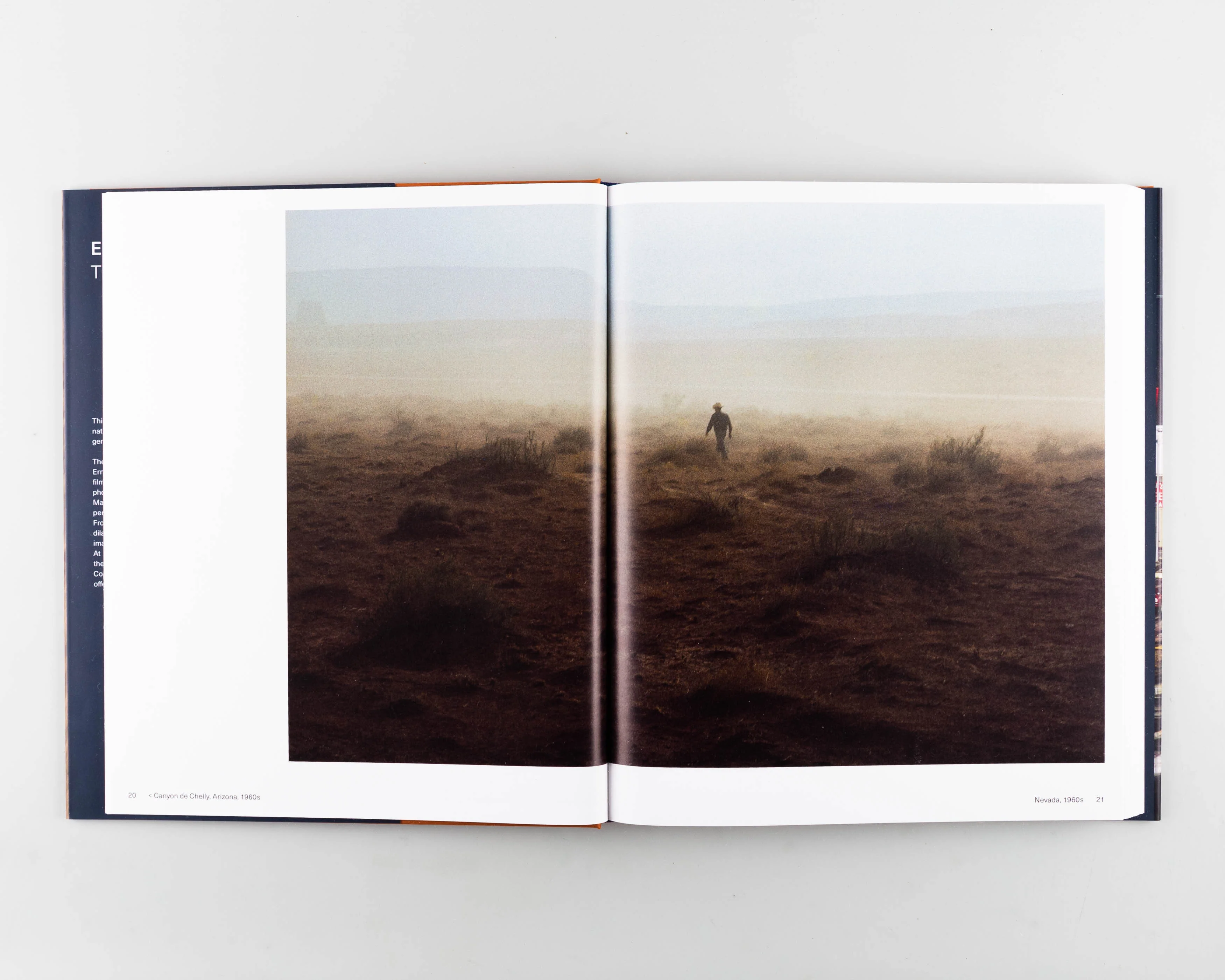
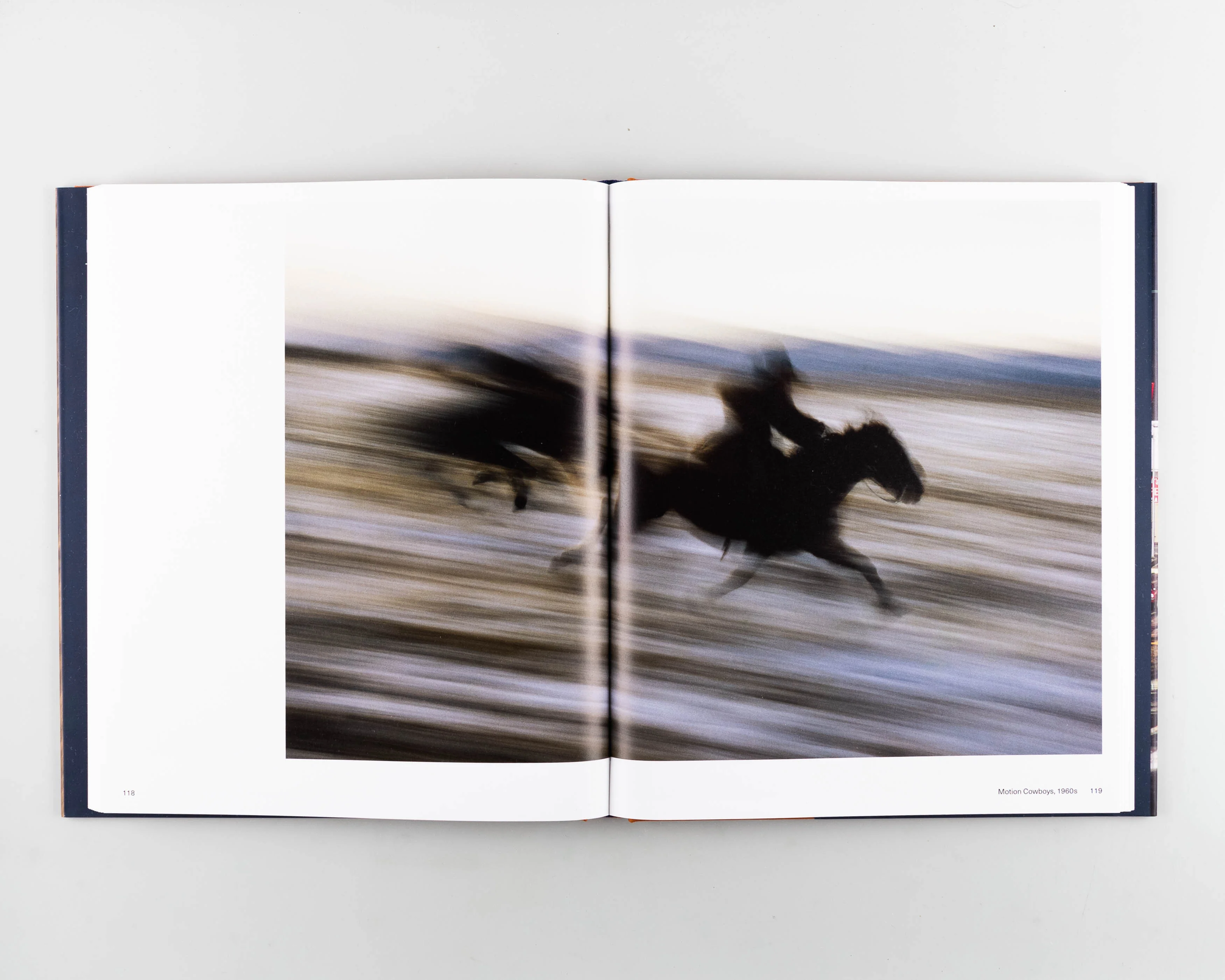
This collection of striking color images from the American West is both a moving national portrait as well as a celebration of analog color photography from an undisputed genius of the form.
The photographer behind Life magazine’s first ever all-color photographic essay, Ernst Haas made—and captured—history as an early adopter of Kodachrome film. The Austrian-born artist had already established himself as a black and white photographer when he moved to America in 1951. But as a member of the renowned Magnum agency, he transformed the genre with his color-saturated images, the perfect medium for capturing America’s geographic and cultural landscapes. From desert storms, Route 66 gas stations, and Las Vegas neon to rolling prairie, dilapidated farms, small-town parades, and city sidewalks, Haas’ perfectly composed images, contain a distinct pictorial language, suffused with poetry, pattern, and light. At the same time his pictures communicate a journalist’s point of view, whether the subject is rural poverty, suburban comfort, or the myth of the American West. The remarkable book offers a vision of America that feels both poignantly distant and reassuringly familiar.
Original: $53.65
-70%$53.65
$16.09



Description
This collection of striking color images from the American West is both a moving national portrait as well as a celebration of analog color photography from an undisputed genius of the form.
The photographer behind Life magazine’s first ever all-color photographic essay, Ernst Haas made—and captured—history as an early adopter of Kodachrome film. The Austrian-born artist had already established himself as a black and white photographer when he moved to America in 1951. But as a member of the renowned Magnum agency, he transformed the genre with his color-saturated images, the perfect medium for capturing America’s geographic and cultural landscapes. From desert storms, Route 66 gas stations, and Las Vegas neon to rolling prairie, dilapidated farms, small-town parades, and city sidewalks, Haas’ perfectly composed images, contain a distinct pictorial language, suffused with poetry, pattern, and light. At the same time his pictures communicate a journalist’s point of view, whether the subject is rural poverty, suburban comfort, or the myth of the American West. The remarkable book offers a vision of America that feels both poignantly distant and reassuringly familiar.